February 26, 2026
Modern households depend on electricity in ways that were unimaginable just a few decades ago. From high-efficiency HVAC systems and electric vehicle chargers to smart home technology and home offices filled with sensitive electronics, today’s homes place far greater demands on electrical systems than those of the past. Many residences were built during a time when a few major appliances and basic lighting defined typical usage. As lifestyles and technology have evolved, those original systems often struggle to keep pace.
Residential electric improvements are not simply about adding more outlets or replacing old fixtures. They involve evaluating how power flows through a home, identifying limitations, and aligning infrastructure with current and future needs. When systems are properly upgraded, homeowners experience fewer disruptions, better efficiency, and greater flexibility to adopt new technologies.
Upgrading Electrical Panels for Increased Capacity
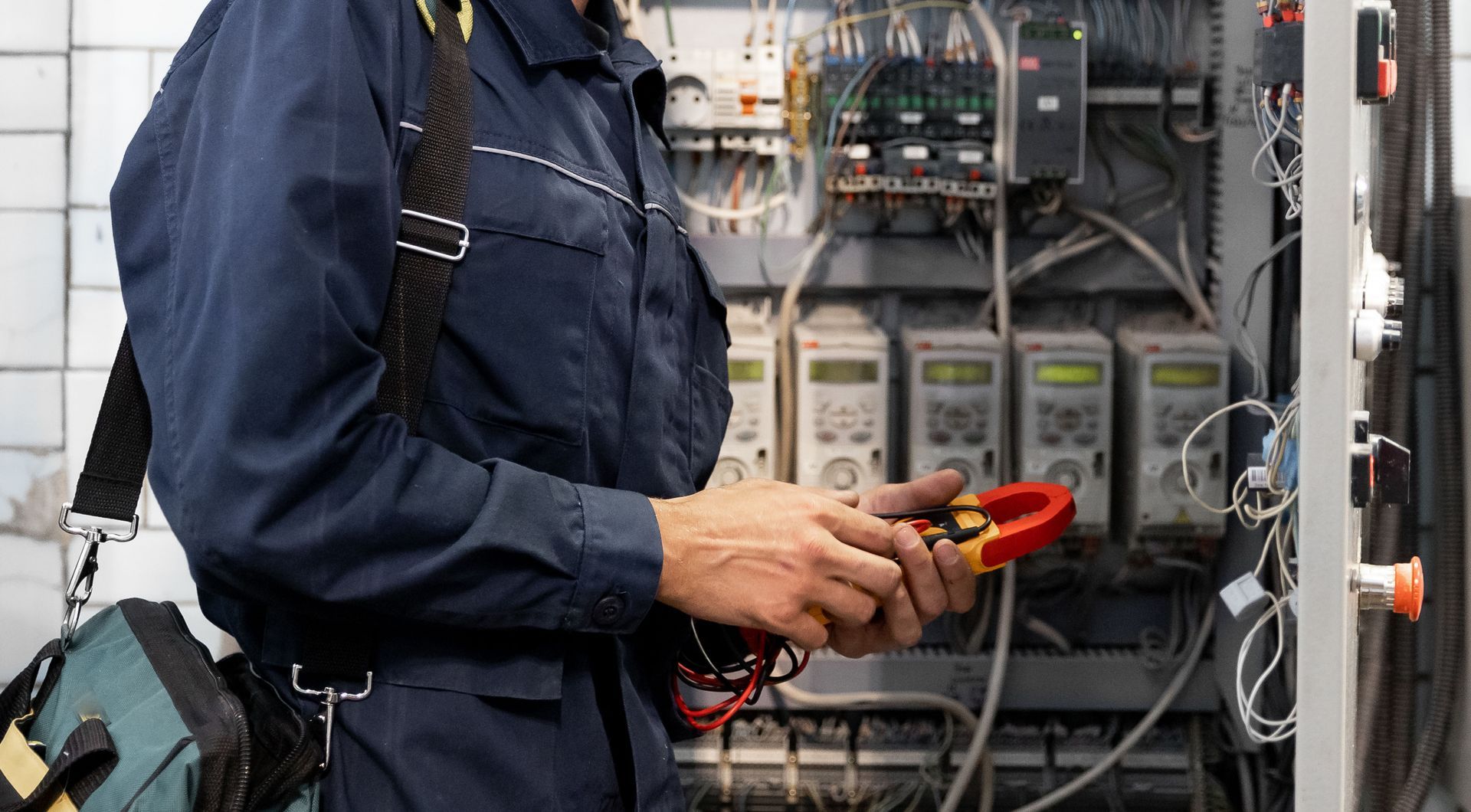
One of the most significant steps homeowners can take is upgrading the electrical panel. The panel acts as the central hub for power distribution, determining how much electricity can safely flow throughout the home. Many older properties still rely on panels that were designed for far lower usage levels. As modern appliances, electronics, and home systems draw more power, outdated panels can become a bottleneck that limits performance and increases the risk of electrical issues.
According to This Old House, older homes are more prone to electrical issues because they often rely on 60- to 100-amp electrical service. In contrast, many modern homes benefit from 200-amp service or higher to accommodate today’s energy demands. Upgrading the panel provides the capacity needed to support additional circuits, larger appliances, and advanced technologies without overloading the system.
From a residential electric perspective, panel upgrades create a foundation for all other improvements. Whether homeowners plan to add an electric vehicle charger, remodel a kitchen, or install new heating equipment, a modern panel ensures the system can handle those additions safely. It also allows electricians to organize circuits more effectively, improving reliability and simplifying future maintenance. As power demands continue to rise, panel upgrades remain one of the most impactful ways to prepare a home for long-term electrical needs.
Expanding Circuits to Reduce Electrical Strain
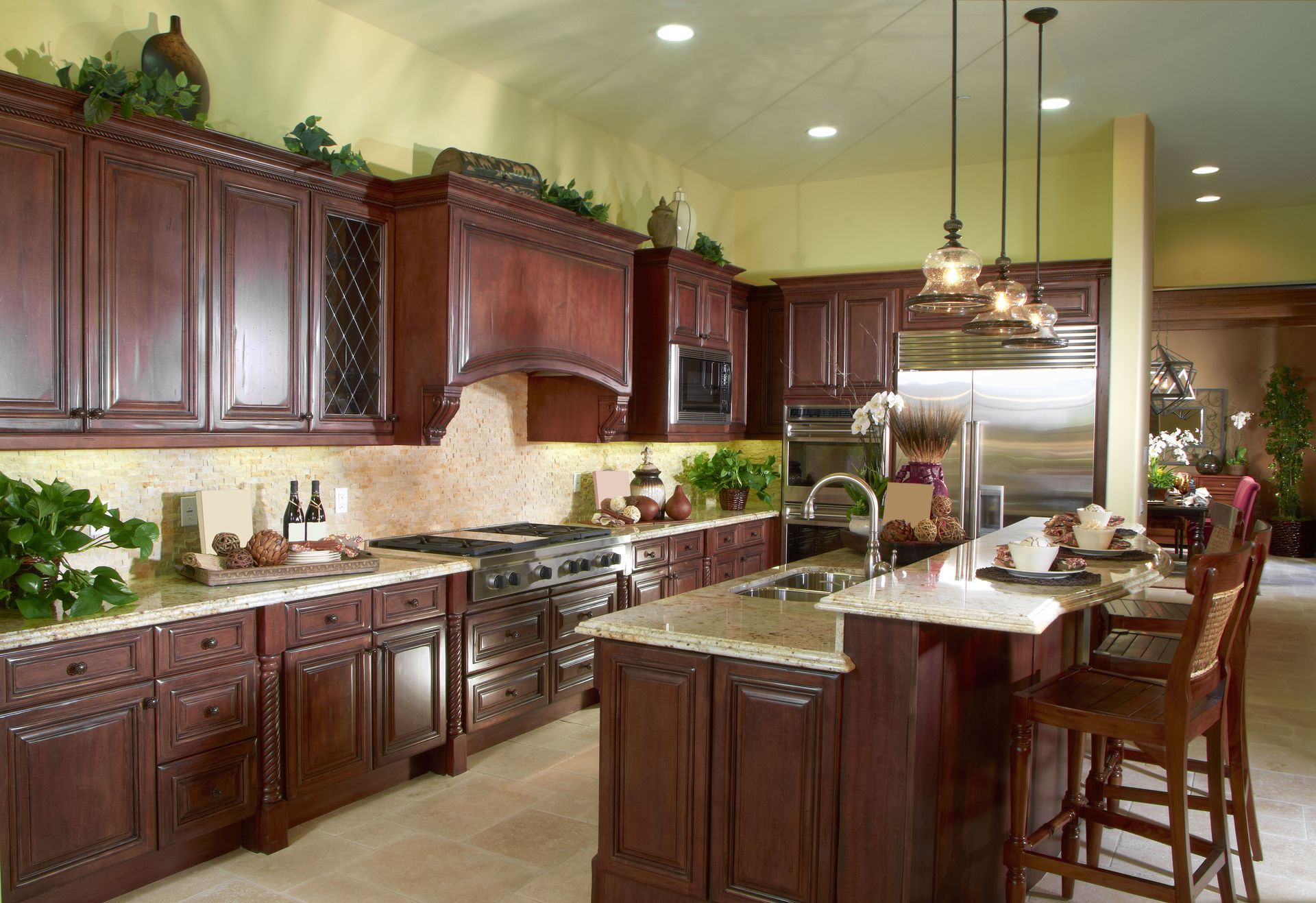
Many homes experience electrical strain not because they lack overall capacity, but because too many devices are concentrated on too few circuits. Kitchens, laundry rooms, and home offices are common examples of areas where multiple high-demand appliances operate simultaneously. When circuits are overloaded, homeowners may notice dimming lights, warm outlets, or frequent breaker trips, all of which indicate the need for expansion.
Adding dedicated circuits helps distribute power more evenly across the home. This approach ensures that major appliances such as refrigerators, microwaves, washers, and dryers operate without competing for electricity. In home offices, dedicated circuits protect sensitive electronics from voltage fluctuations that can damage equipment or disrupt productivity. From a residential electric standpoint, circuit expansion improves both performance and longevity of connected devices.
Circuit upgrades also support lifestyle changes. As families add new appliances, entertainment systems, or smart devices, existing circuits may no longer suffice. Proactively expanding circuits allows homeowners to adapt their spaces without compromising safety or convenience. It also creates a more organized electrical layout, making troubleshooting and future upgrades more efficient.
Installing Modern Outlets and Power Access Points
Access to power is just as important as capacity. Many older homes were designed with far fewer outlets than modern households require. As a result, homeowners often rely on extension cords and power strips, which can increase clutter and introduce safety concerns. Upgrading outlets and adding new access points helps align the home’s layout with contemporary usage patterns.
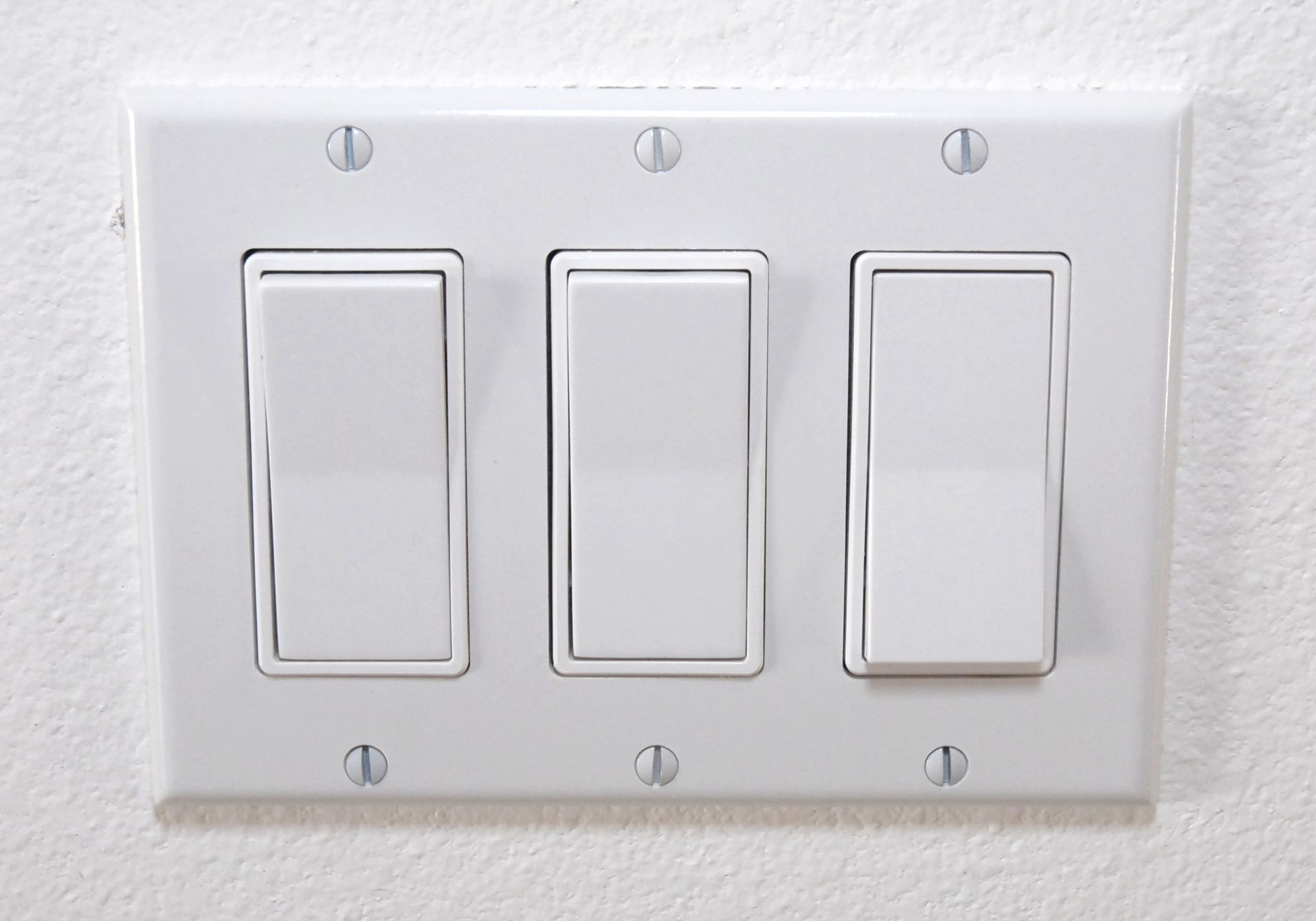
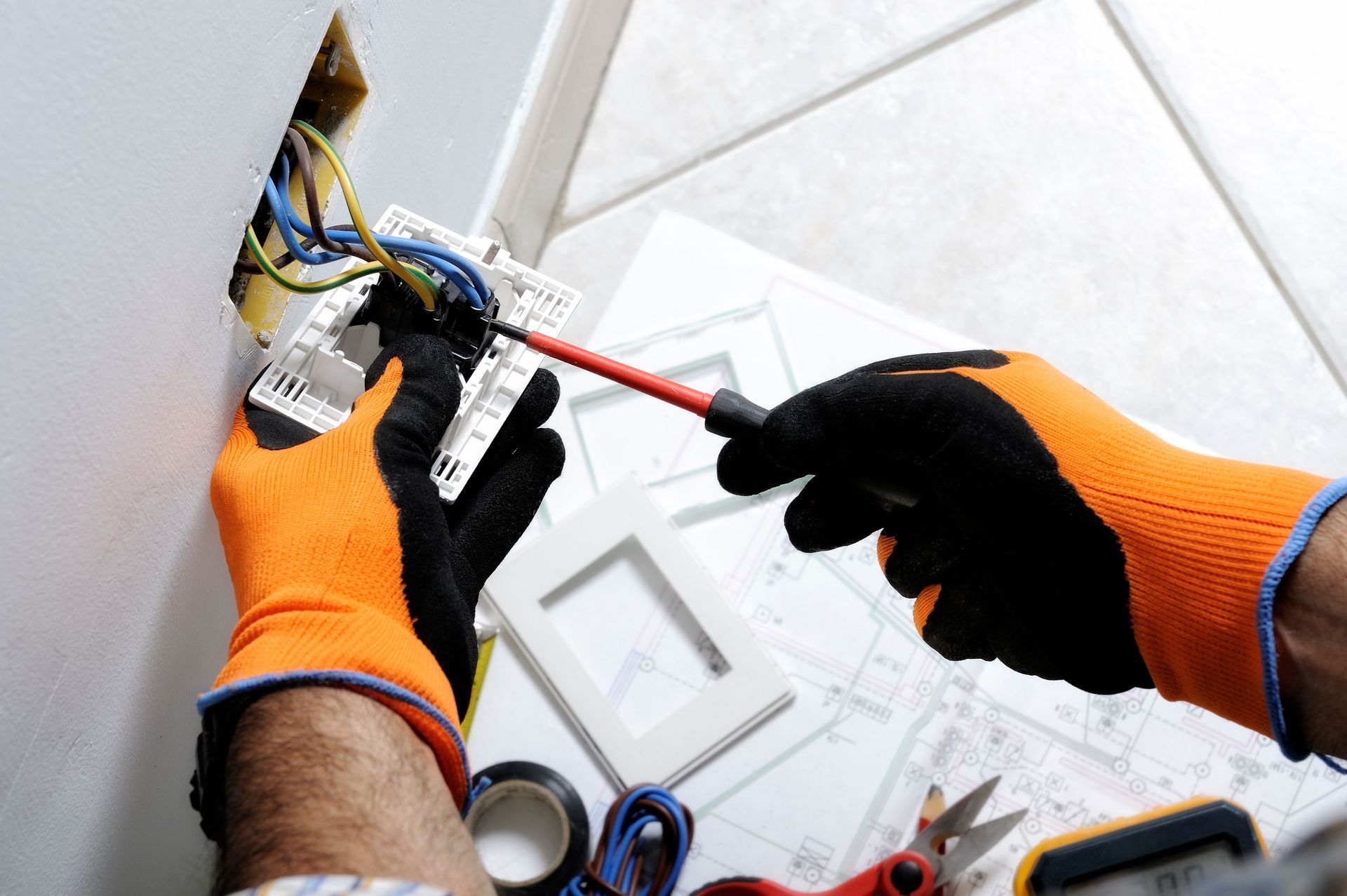
Modern outlet upgrades go beyond simply adding quantity. Ground fault circuit interrupter outlets in kitchens, bathrooms, garages, and outdoor areas provide enhanced protection in environments where moisture is present. Arc fault circuit interrupter outlets further reduce fire risks by detecting abnormal electrical activity. From a residential electric standpoint, these features improve safety while supporting everyday functionality.
USB-enabled outlets and strategically placed charging stations also reflect how people use technology today. Phones, tablets, and other devices require frequent charging, and integrated solutions reduce reliance on adapters.
Integrating Energy-Efficient Electrical Solutions
Energy efficiency plays a growing role in residential electrical planning. Upgrading to energy-efficient lighting, appliances, and controls reduces overall power consumption while maintaining or improving performance. LED lighting, for example, uses significantly less electricity than traditional incandescent or halogen bulbs while offering longer lifespans and consistent illumination.
Smart lighting controls, dimmers, and occupancy sensors further enhance efficiency by ensuring power is used only when needed. These systems allow homeowners to tailor lighting levels to specific activities, improving comfort and reducing waste. From a residential electric perspective, efficiency upgrades lower the overall load on the system, which can extend the life of electrical components and reduce operating costs.
Energy-efficient upgrades also support sustainability goals. As households become more conscious of energy use, integrating efficient solutions aligns personal values with practical benefits. These improvements make it easier to manage consumption without sacrificing convenience, creating a balanced approach to modern living.
Preparing Homes for Electric Vehicle Charging
Electric vehicles are becoming increasingly common, and many homeowners are discovering that standard outlets are not sufficient for reliable charging. Installing a dedicated charging station requires careful consideration of capacity, circuit allocation, and panel readiness. Without proper preparation, charging can place significant strain on existing systems.
A dedicated charger provides faster, more consistent charging while reducing stress on household circuits. From a residential electric standpoint, this upgrade ensures that vehicle charging does not interfere with other essential functions. Electricians assess whether the panel can support the additional load and make adjustments as needed to maintain balance.
Preparing for electric vehicle charging also adds long-term value. Even homeowners who do not currently own an electric vehicle may benefit from installing the infrastructure in advance. As adoption continues to grow, having a ready-to-use charging solution positions the home for future needs.
Supporting Smart Home Technology Integration
Smart home technology has transformed how homeowners interact with their living spaces. From automated thermostats and lighting systems to security cameras and voice-controlled assistants, these devices rely on stable and well-distributed electrical support. Integrating smart technology often requires updates to wiring, outlets, and networked controls.
Proper planning ensures that smart systems operate reliably without overloading circuits or causing interference. From a residential electric perspective, integration involves coordinating power supply with data connectivity and control systems. Dedicated circuits for hubs, structured wiring, and surge protection all contribute to consistent performance.
Smart home integration also enhances flexibility. As new devices become available, a well-prepared electrical system allows homeowners to expand capabilities without extensive rework. This adaptability supports evolving preferences and technological advancements.
Improving Safety Through Updated Wiring and Protection
Safety remains a central motivation for many electrical upgrades. Aging wiring materials, outdated grounding methods, and insufficient protection devices can increase the risk of electrical hazards. Upgrading wiring and protective components addresses these concerns while improving overall system performance.
Modern wiring materials and grounding practices provide more reliable conductivity and reduce the likelihood of overheating. Surge protection devices shield appliances and electronics from voltage spikes caused by storms or utility fluctuations. From a residential electric standpoint, these measures protect both property and occupants.
Safety-focused upgrades also provide peace of mind. Homeowners gain confidence knowing their system meets current standards and can handle daily demands without undue risk. These improvements are particularly important during renovations or expansions, when electrical loads often increase. Call Hi-Tech Electric today to schedule your electrical service.