February 18, 2026
Electrical systems power nearly every part of modern life, from lighting and appliances to entertainment and home comfort. But with that convenience comes risk, especially when homeowners overlook proper safety practices. Understanding how electricity behaves and knowing when to call a professional can prevent serious accidents, fires, and property damage. According to Family Handyman, electrocution occurs more frequently with 120 volts of electricity, which is the standard in a home, proving that even everyday electrical sources require caution. By following essential safety guidelines and relying on a trained residential electrician when needed, homeowners can protect their families and ensure their electrical systems remain safe and reliable for years to come.
1. Understanding the Limits of DIY Electrical Work
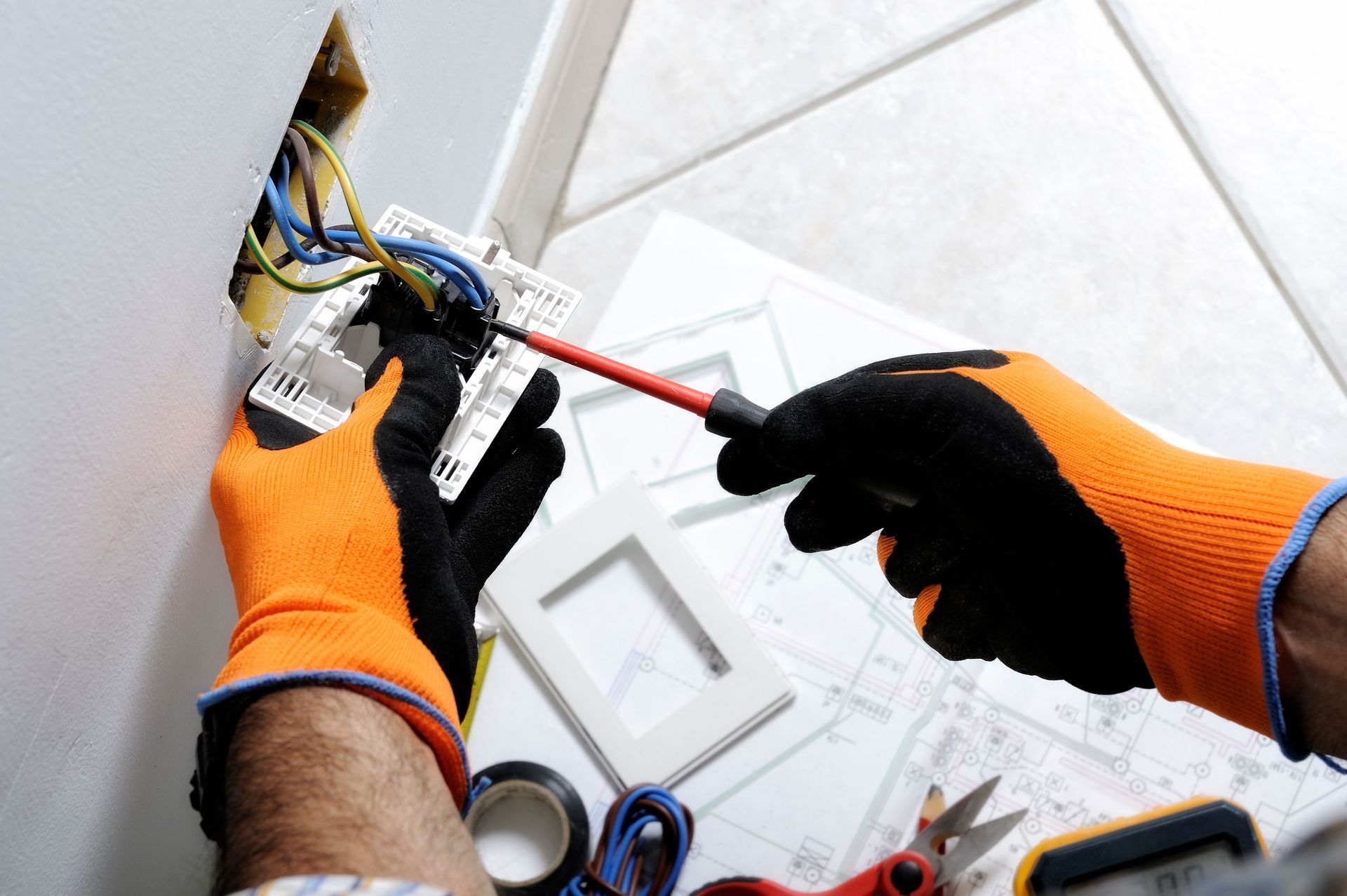
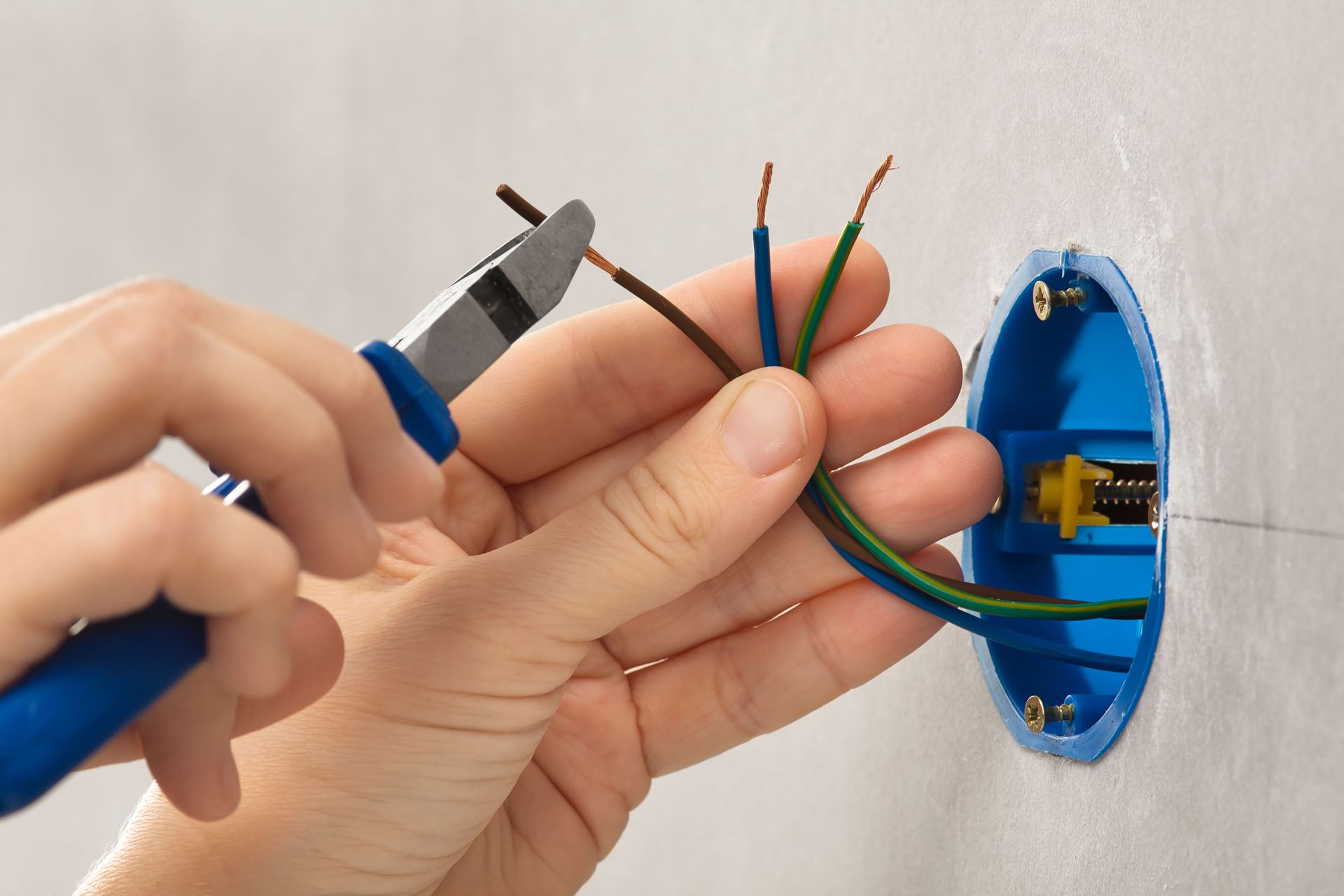
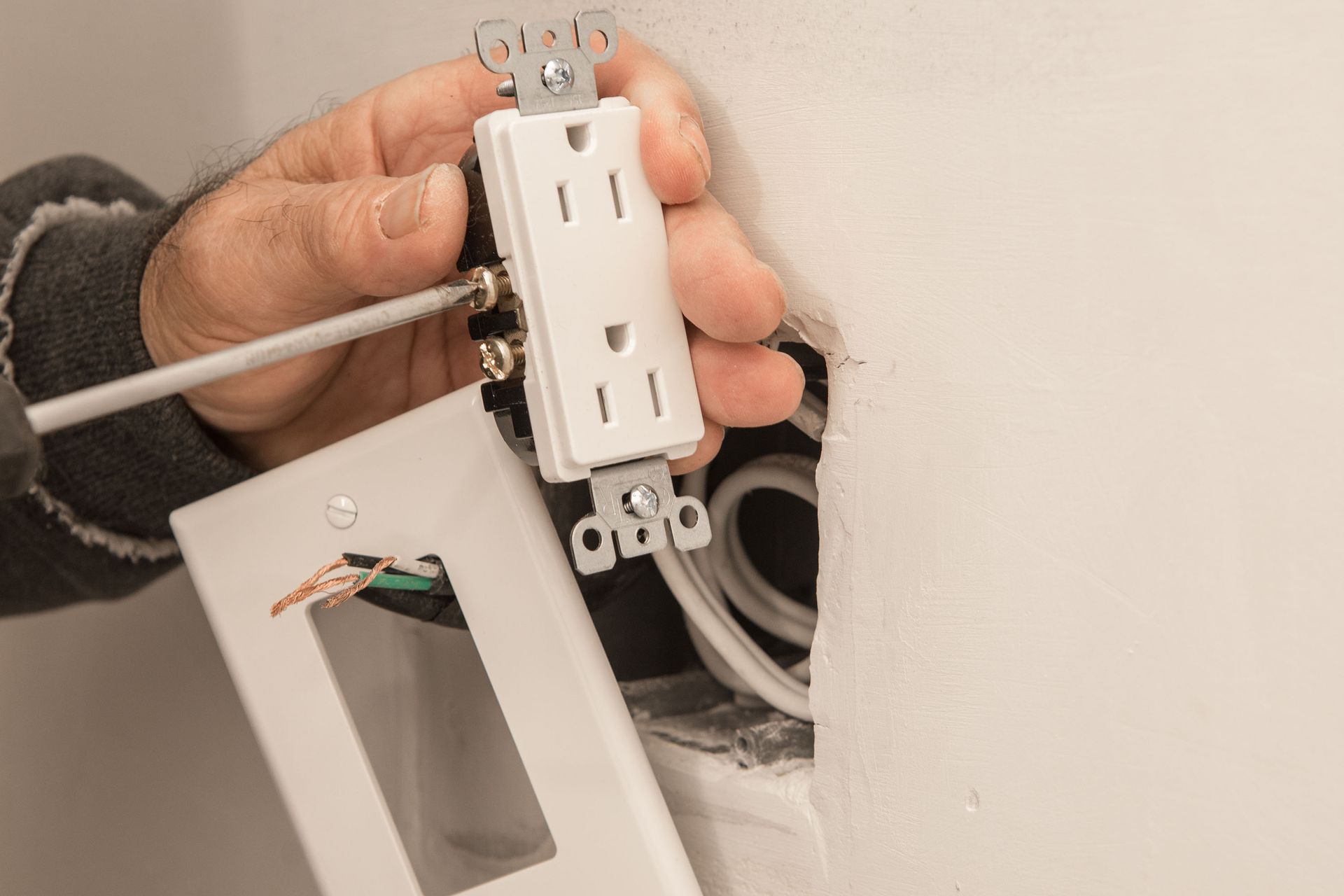
Many homeowners feel confident tackling small home improvement tasks, but electrical work is an entirely different category of risk. One small mistake can lead to shocks, short circuits, or hidden hazards that may worsen over time. Even seemingly simple tasks—like replacing a switch or outlet—can expose you to dangerous wiring conditions without proper knowledge.
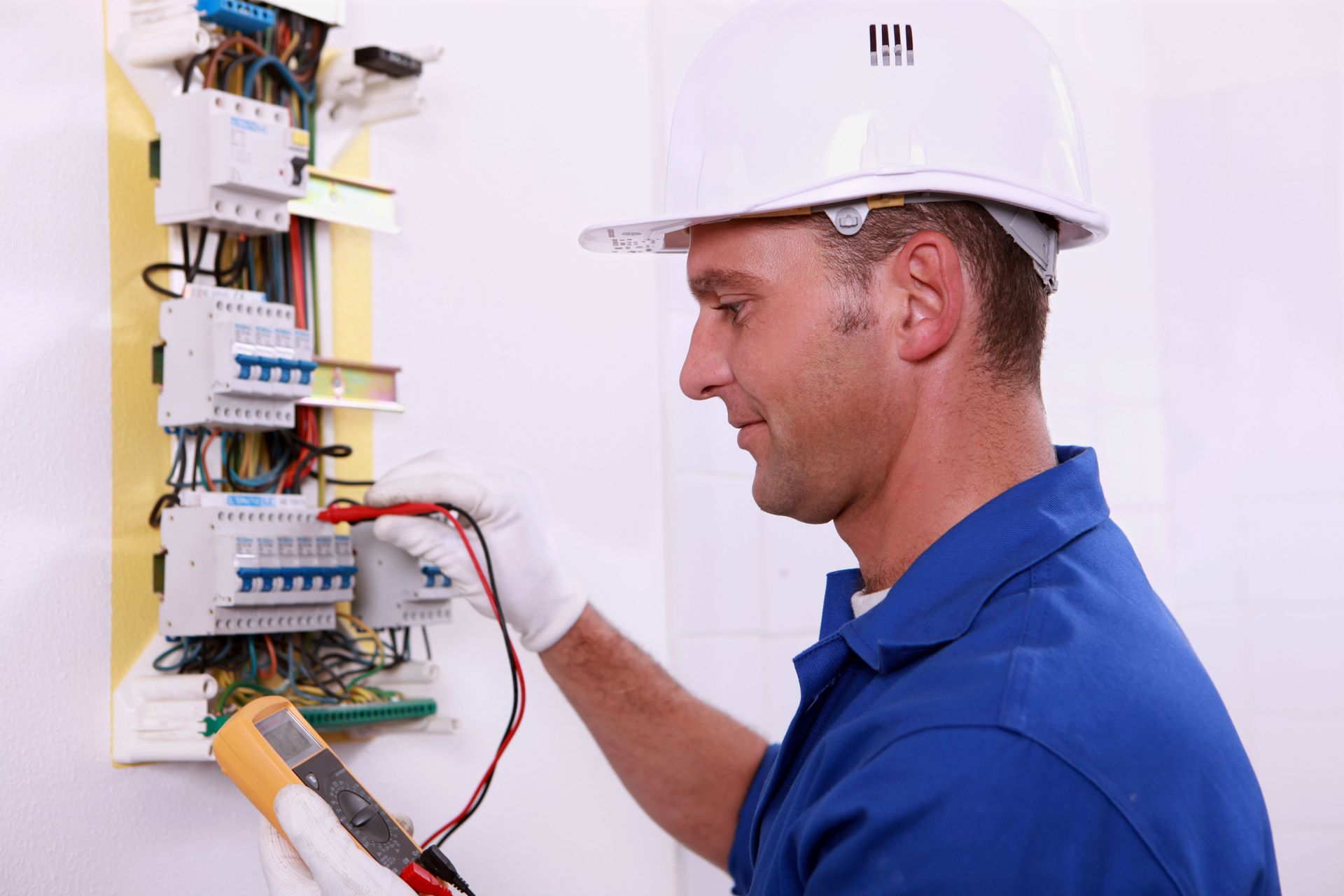
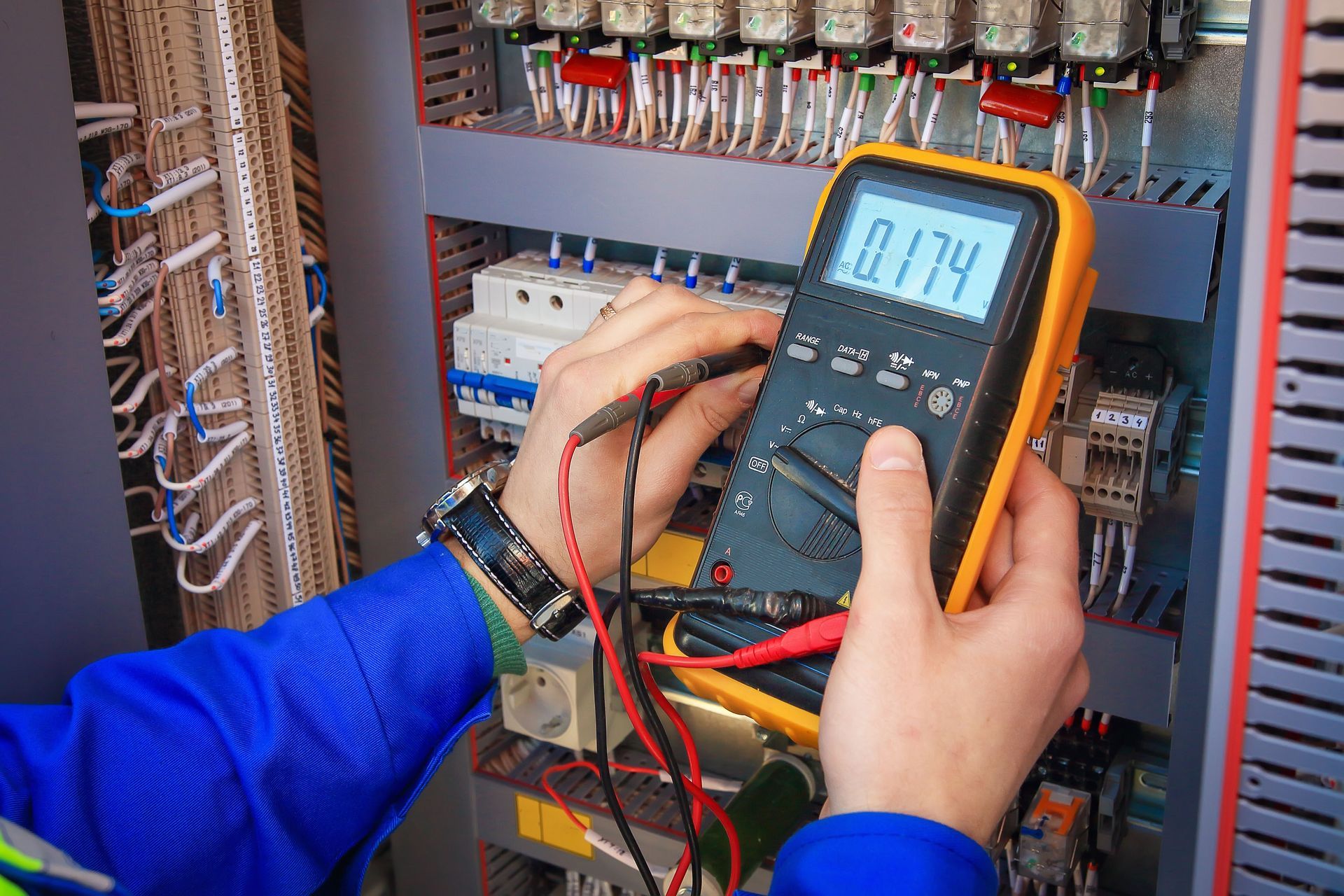
A residential electrician is trained to recognize underlying issues that a homeowner may not notice, such as overloaded circuits, improper grounding, or deteriorating connections. Hiring a professional ensures your home remains up to code and reduces the risk of future electrical failures. When it comes to electricity, leaving complex tasks to experts protects both your safety and the longevity of your electrical system. No DIY savings are worth the cost of an injury or unsafe installation.
2. Preventing Overloaded Circuits
Overloading circuits is one of the most common causes of electrical overheating and household fires. Plugging too many appliances into a single outlet or extension cord can cause excessive strain on the circuit. Modern homes use far more devices than they were originally wired for, making overloads increasingly common and often unnoticed until damage occurs.
Working with a residential electrician can help you identify overloaded circuits before they become dangerous. Professionals may recommend dedicated circuits for high-powered appliances or upgrades to increase your home’s electrical capacity. Homeowners can also improve safety by unplugging unused devices and spacing out heavy electrical loads across different rooms. This simple habit helps reduce heat buildup and keeps circuits operating within safe limits.
3. Using Extension Cords Safely
Extension cords are useful tools, but they are not designed to be permanent solutions. Using them incorrectly—such as running them under rugs, attaching multiple cords together, or using indoor cords outdoors—creates both fire and tripping hazards. They can also wear down over time, exposing wires that increase the risk of shocks or electrical arcing.
A residential electrician can help install additional outlets in areas where extension cords are used frequently. This reduces long-term reliance on temporary wiring and ensures your home’s electrical layout supports your lifestyle. Regularly inspecting extension cords for frayed edges, heat, or discoloration also improves safety. When in doubt, replacing a damaged cord is far safer than attempting to repair one improperly.
4. Protecting Children and Pets From Electrical Hazards
Both children and pets are naturally curious, which makes exposed cords, outlets, and devices potential hazards. Simple safety measures—such as outlet covers, tamper-resistant receptacles, and secured cords—can significantly reduce the risk of accidents. These precautions create safer living environments without requiring major home modifications.
Consulting a residential electrician may also help you identify hidden threats, such as loose outlets or poorly placed power strips. Professionals can recommend child-safe outlet upgrades and ensure that wiring behind walls is properly insulated. Creating safe zones for children and pets further reduces exposure to electrical dangers. These steps allow families to enjoy their homes with confidence and peace of mind.
5. Maintaining Ground Fault Circuit Interrupters (GFCIs)
GFCI outlets are essential for safety in moisture-prone areas such as kitchens, bathrooms, garages, and outdoor spaces. They automatically shut off power when they detect an imbalance in the electrical current, preventing shocks and reducing fire risks. However, GFCIs must be tested regularly to ensure they are functioning correctly.
A residential electrician can install or replace GFCIs in areas where they are missing or outdated. Technicians can also test your current outlets to confirm they respond as expected. Homeowners can supplement this by pressing the “test” button monthly to check functionality. Properly maintained GFCIs provide an important layer of protection for homes of all ages.
6. Knowing the Signs of Faulty Wiring
Faulty wiring can exist for years before causing noticeable issues, but once symptoms appear, they should never be ignored. Common warning signs include flickering lights, buzzing switches, frequent breaker trips, or burning odors. These problems indicate that the electrical system is struggling to handle the household’s demand or that certain components are damaged.
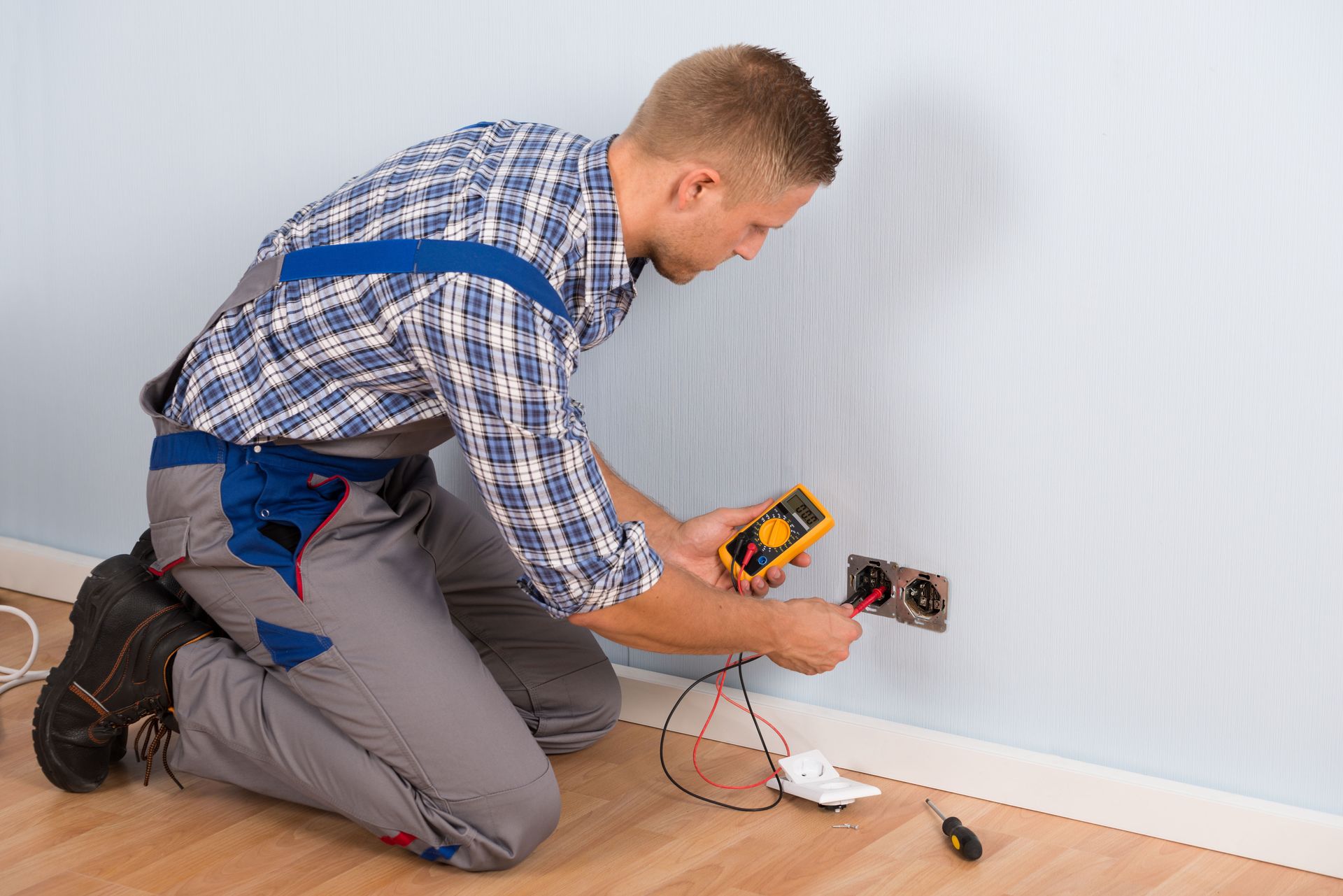
Calling a residential electrician at the first sign of trouble prevents hazards from escalating. Professionals can trace wiring problems inside walls, panels, and outlets that homeowners cannot safely inspect on their own. They can also recommend system upgrades if your home’s wiring is outdated or overwhelmed. Addressing wiring issues early protects your home from both fire risks and unexpected outages.
7. Practicing Safe Appliance Usage
Home appliances may seem routine, but improper use can create hidden safety risks. Using damaged cords, plugging high-wattage appliances into low-capacity outlets, or operating multiple heavy appliances at once can overload circuits and lead to overheating. Appliances should always be plugged directly into wall outlets unless a professional indicates otherwise.
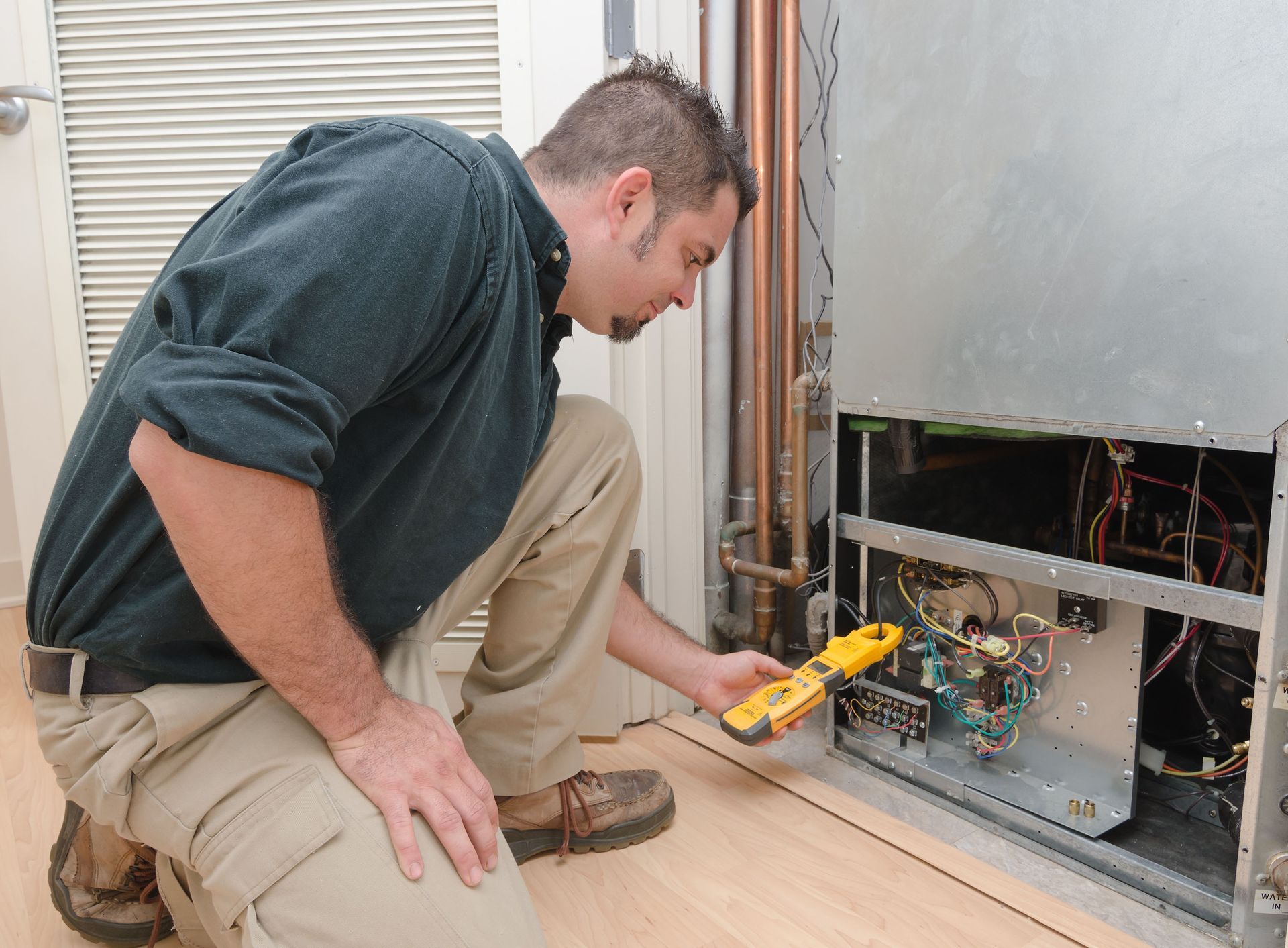
A residential electrician can help you determine whether your home’s electrical system supports your appliance usage. For example, kitchens and laundry rooms often require dedicated circuits for safety and efficiency. Professionals can also inspect older appliances to ensure they meet current electrical standards. Safe usage habits and professional guidance work together to reduce risks associated with everyday devices.
8. Keeping Electrical Panels Accessible and Updated
Your electrical panel is the heart of your home’s electrical system, distributing power to circuits throughout the property. Keeping it accessible and in good condition is crucial for both safety and emergency readiness. Panels that are outdated, overloaded, or improperly labeled can complicate repairs and create hazardous conditions over time.
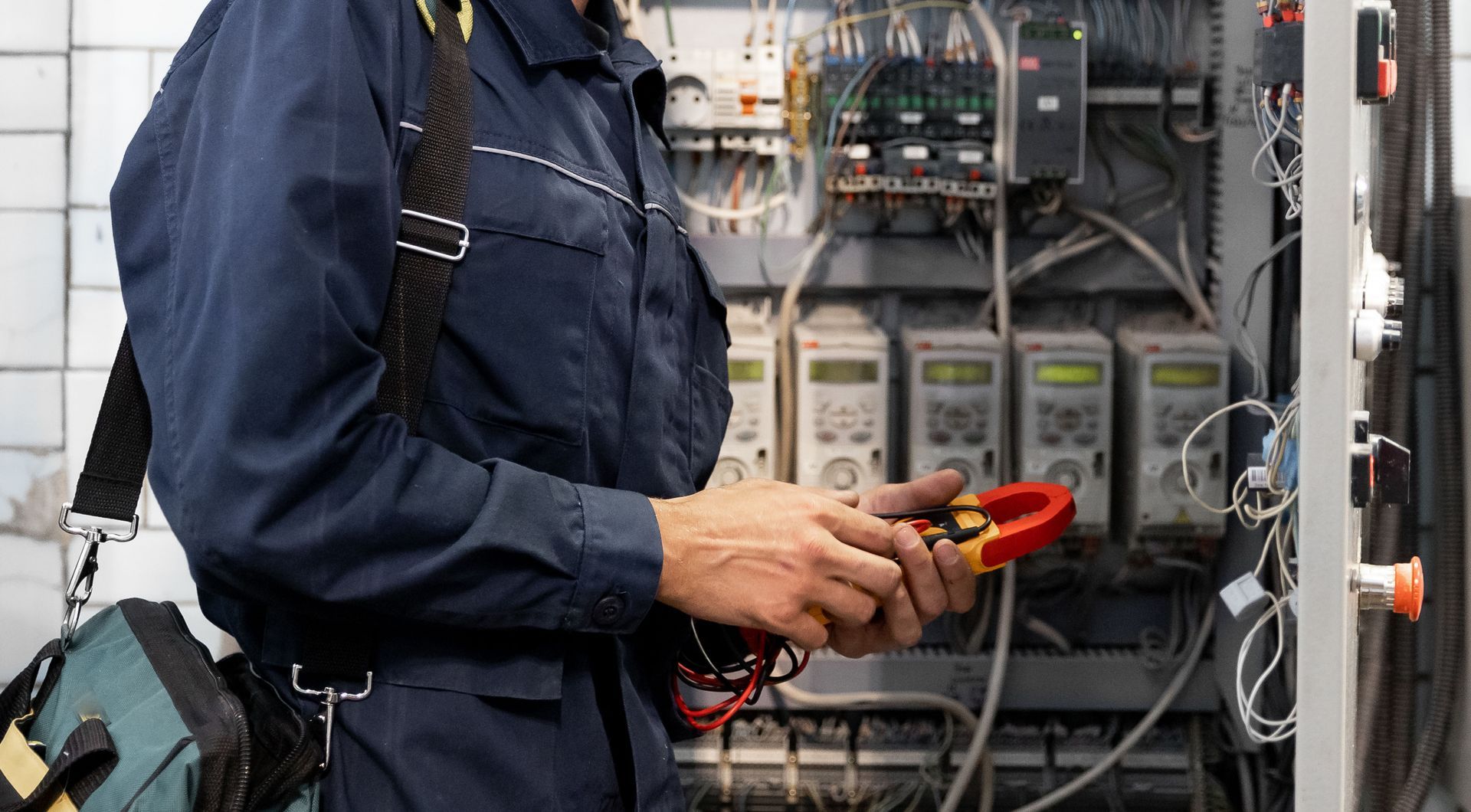
A residential electrician can evaluate your panel to ensure it meets your home’s electrical needs. They can identify whether circuits are properly balanced or if the system requires expansion. Upgrading an aging panel can increase safety, improve energy efficiency, and provide room for future electrical additions. Accessibility also ensures you can quickly shut off power if an emergency arises.
9. Staying Safe Around Outdoor Electrical Systems
Outdoor lighting, outlets, and powered equipment require extra attention due to exposure to weather and moisture. Damaged cords, corroded outlets, or unprotected fixtures can create shock hazards—especially in wet conditions. Ensuring all exterior electrical components are rated for outdoor use is essential for maintaining safety.
A residential electrician can inspect outdoor wiring to confirm it is properly insulated and weather-resistant. They can also install protective covers, replace deteriorated fixtures, and ensure that outdoor outlets include GFCI protection. Landscaping and holiday lighting should also be checked regularly for safety. Taking these steps keeps outdoor areas functional and hazard-free throughout the year.
Electrical safety begins with awareness, responsible habits, and knowing when to call professionals who understand the risks and complexities of home wiring. By following essential safety practices and trusting trained experts when issues arise, you can create a safe, reliable, and efficient electrical system for your home. When you're ready to improve your home's safety and ensure your electrical systems are functioning properly, Hi-Tech Electric is here to help with expert service and dependable care.