July 10, 2026
In today's tech-driven world, commercial electrical services are pivotal for maintaining the backbone of any business infrastructure. Electricity not only powers essential tools and machinery but also ensures that establishments remain productive, efficient, and safe. Businesses often encounter various electrical issues that, if unchecked, can lead to downtime and financial losses. Commercial electricians are adept at managing and resolving these challenges, ensuring seamless operations. This article delves into common electrical problems faced by businesses and how commercial electrical services effectively resolve them.
1. Electrical Infrastructure Upgrades
1.1 Assessing Current Infrastructure Needs
Every commercial establishment must periodically evaluate its electrical infrastructure to ensure optimal performance. With the rapid advancement in technology, older systems may fail to support new equipment, leading to inefficiencies. An electrical assessment helps identify outdated components that are no longer effective. By understanding the gaps in the current setup, businesses can make informed decisions to enhance their infrastructure. Moreover, this proactive approach prevents potential failures that could disrupt daily operations.
1.2 Designing Efficient Electrical Systems
Once assessment is complete, the next step involves designing systems tailored to specific business needs. Efficient designs integrate advanced technologies that optimize energy use and support future scalability. This not only extends the lifespan of equipment but also leads to significant cost savings. An expertly designed electrical system addresses current needs while being adaptable to future demands. By investing in proper design, businesses can achieve a balance between cost and reliability.
1.3 Implementing Advanced Technology
Integrating state-of-the-art technology in commercial electrical systems is imperative for efficiency and innovation. Modern solutions, such as energy management systems and smart grids, enhance operational capabilities. These technologies offer real-time monitoring and control, allowing businesses to swiftly react to changes in energy consumption. In doing so, companies not only improve their energy efficiency but also cut down unnecessary expenditures. By embracing the latest technology, businesses are better positioned to thrive in a competitive marketplace.
1.4 Reducing Energy Consumption
Energy consumption is a major concern for businesses aiming to reduce operational costs. Upgraded electrical systems are designed to minimize waste and energy loss through enhanced efficiency. Techniques such as demand-side management and energy audits help identify areas where consumption can be reduced. Through careful monitoring and optimization, businesses can cut down their energy bills substantially. This not only aids in cost reduction but also supports sustainability initiatives.
1.5 Compliance with Safety and Legal Standards
Adhering to safety and legal standards in electrical installations is a fundamental responsibility of any business. Regulations frequently update to accommodate new technologies and safety protocols, necessitating regular reviews and adjustments. Non-compliance not only poses legal risks but also threatens the safety of personnel and clients. Expert commercial electricians ensure that all systems are up-to-date with the latest standards, minimizing hazards. By prioritizing compliance, businesses safeguard their operations and reputation.
2. Troubleshooting Electrical Faults
2.1 Identifying Common Electrical Faults
Identifying electrical faults early is crucial in preventing severe disruptions. Common issues include short circuits, overloads, grounding problems, and faulty wiring. These faults can arise from system aging, improper installations, or external factors like weather. Commercial electricians are trained to quickly spot these problems and assess their severity. Efficient identification processes ensure that minor issues do not escalate into major failures, safeguarding business continuity.
2.2 Systematic Diagnostic Procedures
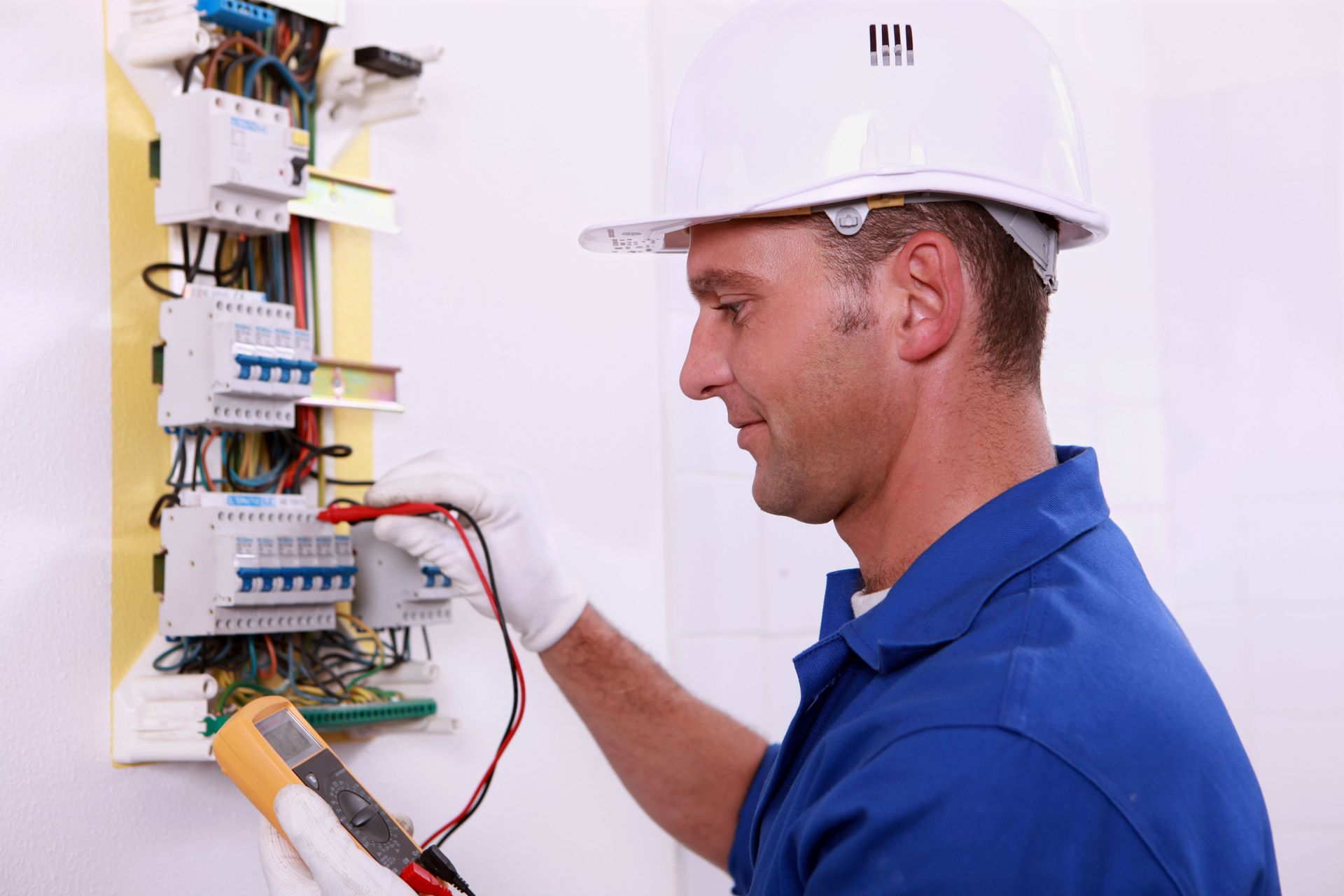
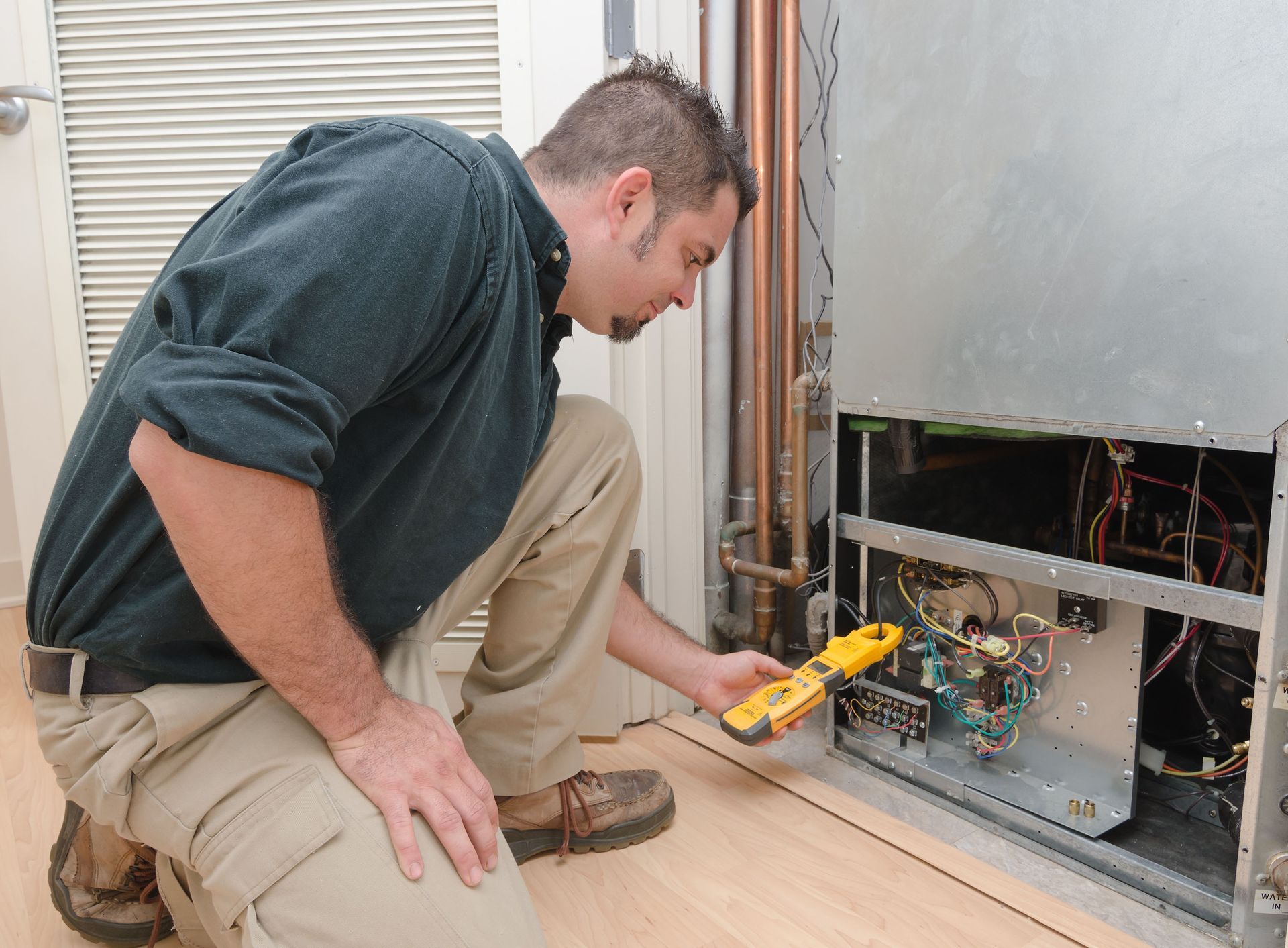
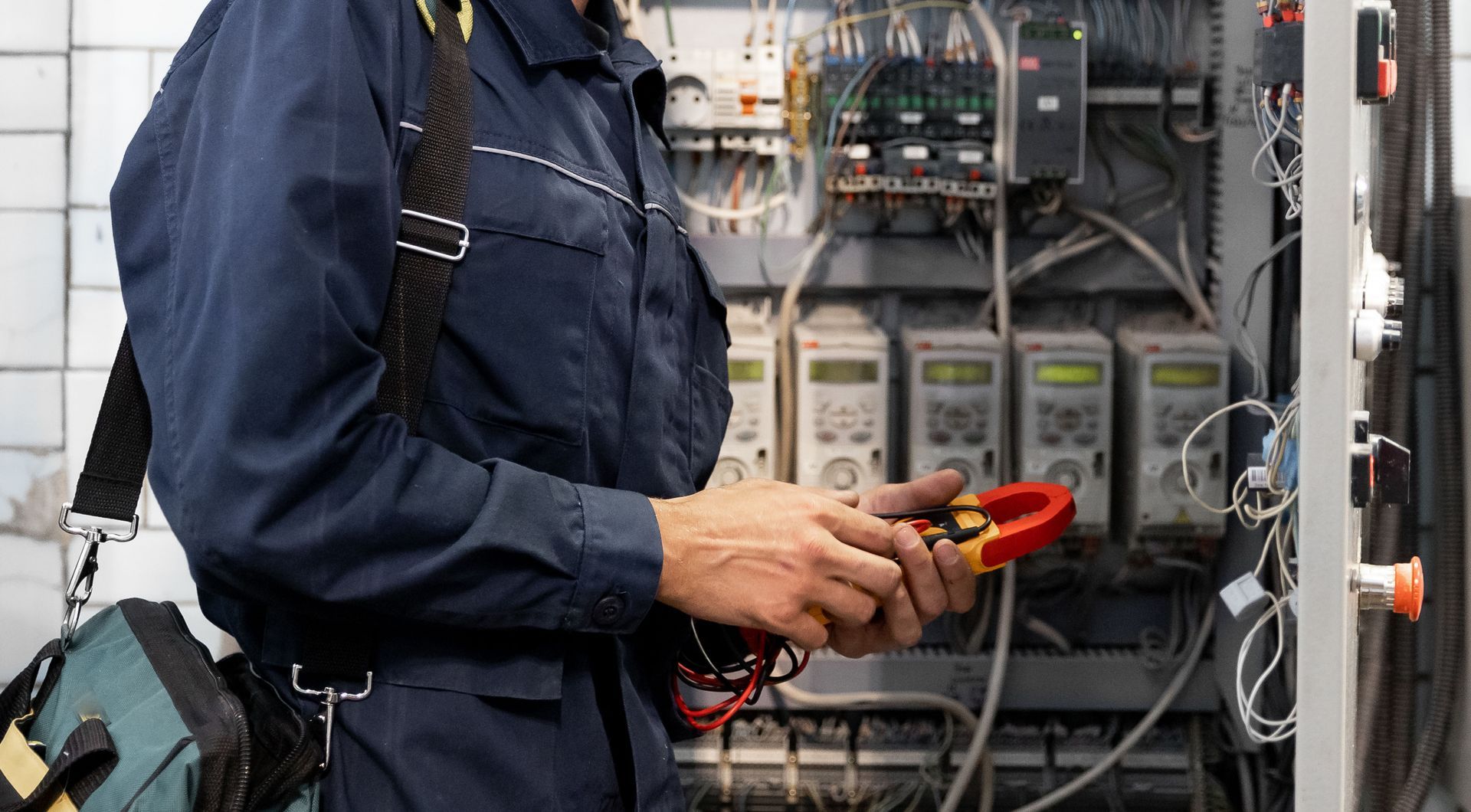
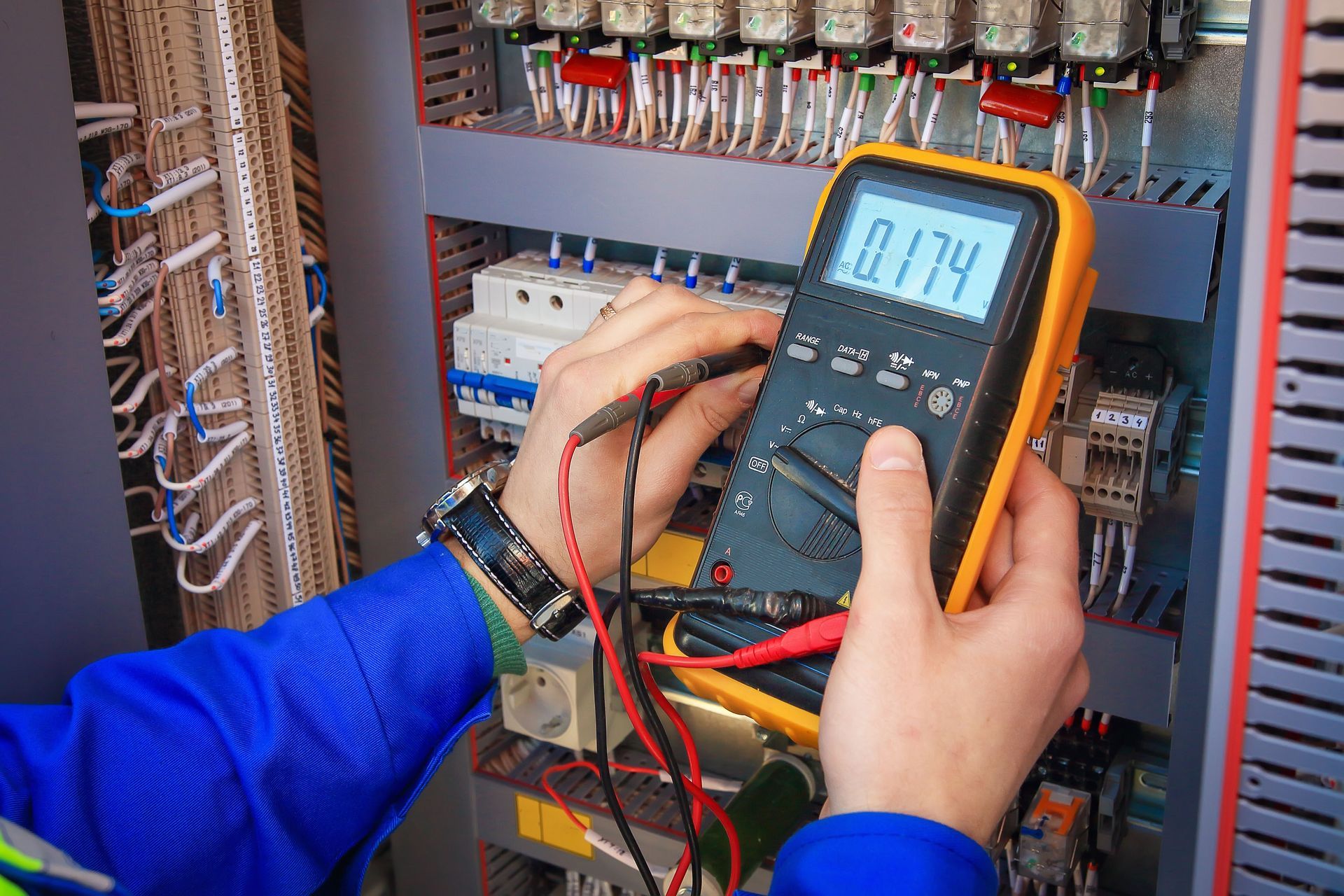
Systematic diagnostic procedures are essential for accurately pinpointing electrical issues. Commercial electricians utilize a combination of modern tools and traditional techniques to assess system health. Detailed inspections and testing ensure that every component is meticulously evaluated. By employing structured diagnostics, businesses can trust that solutions are based on comprehensive insights. This systematic approach reduces downtime and mitigates the impact on business operations.
2.3 Fault Isolation Techniques
Isolating faults effectively is key to resolving electrical issues swiftly. Techniques involve sectionalizing circuits and employing specialized testing equipment to narrow down fault locations. This targeted approach minimizes disruption to other systems, allowing repairs without halting entire operations. By isolating faults, commercial electricians can implement precise solutions, reducing repair times and costs. Such efficiency is crucial for maintaining high business productivity.
2.4 Solutions and Repairs
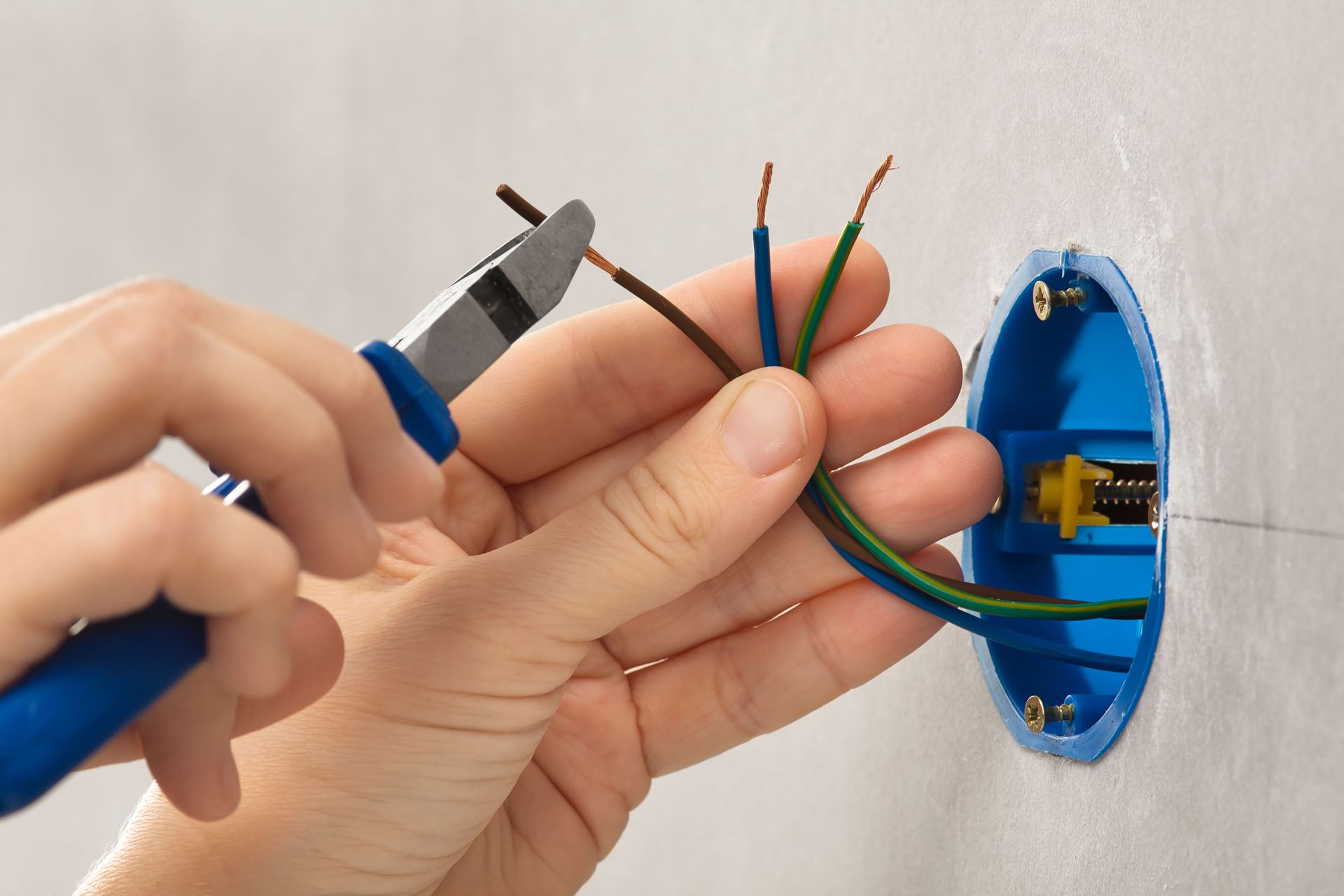
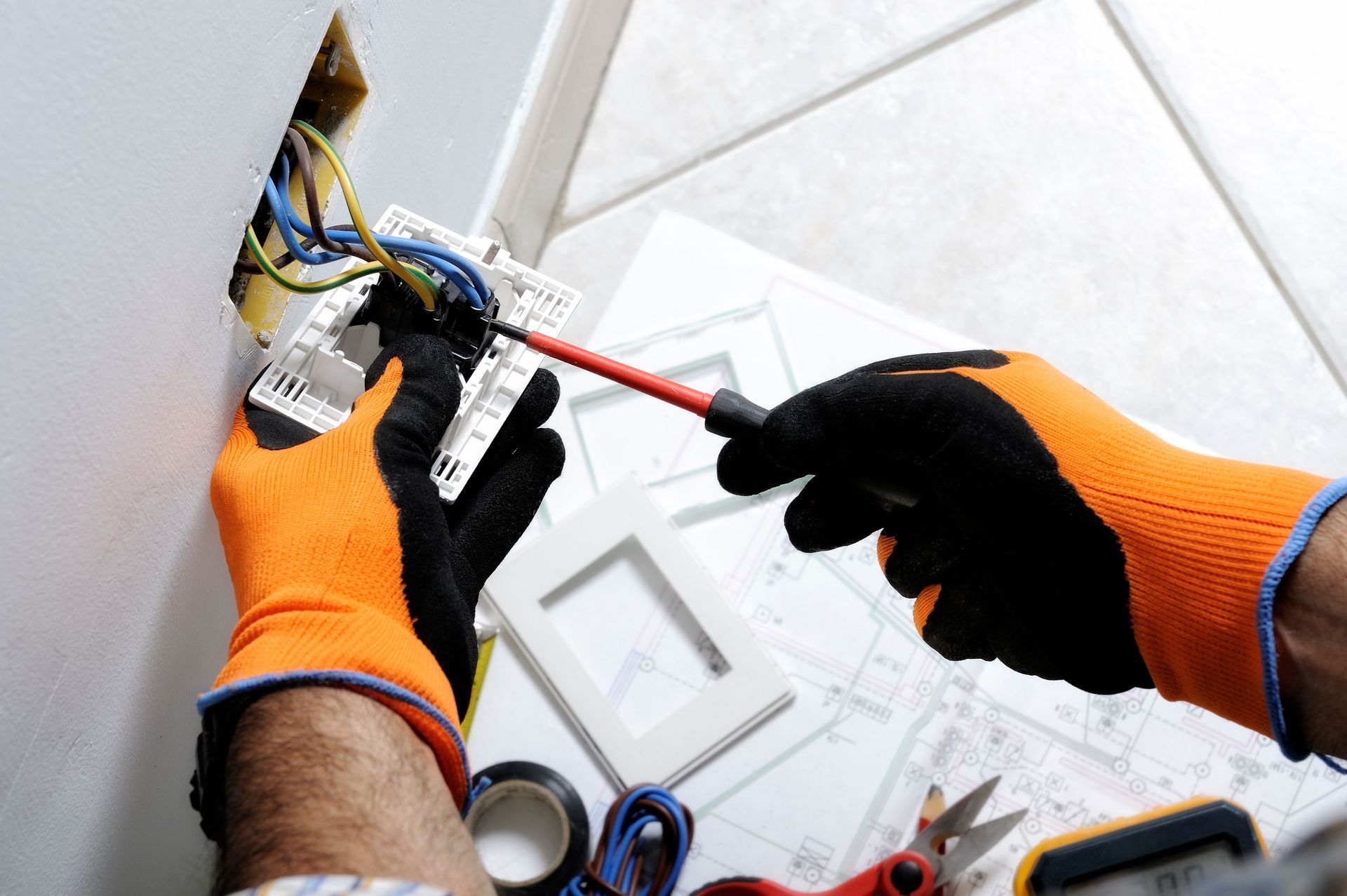
Once faults are identified and isolated, implementing solutions becomes a priority. Repairs may range from replacing faulty components to complete system upgrades. Commercial electricians are equipped to handle high voltage systems, which may operate over 600 volts according to Electrical Technology; safely managing these systems is paramount to prevent accidents. With the proper expertise, solutions are not only effective but also sustainable, enhancing overall system resilience. Timely repairs ensure that business operations resume without extended interruptions.
2.5 Preventive Strategies
Preventive strategies play a significant role in maintaining long-term electrical health. Regular maintenance schedules and performance monitoring allow businesses to foresee potential problems. Implementing risk management protocols reduces the likelihood of unexpected faults, extending equipment lifespan. Through preventive measures, businesses can maintain efficiency and reduce costs associated with emergency repairs. Proactive maintenance is an investment that pays dividends in operational reliability.
3. Lighting System Optimization
3.1 Importance of Efficient Lighting
Efficient lighting systems are vital for both aesthetics and functionality in commercial spaces. Good lighting enhances the visual appeal of workspaces, improving employee morale and productivity. By ensuring optimal light levels, businesses can also foster safer environments, reducing accident risk. Well-lit areas contribute to a conducive working atmosphere, leading to increased client satisfaction. Furthermore, efficient lighting is crucial in reducing energy consumption and utility expenses.
3.2 Integration of Smart Lighting Solutions
Smart lighting solutions offer tremendous benefits for commercial enterprises seeking energy efficiency. These systems allow for automated control, adjusting lighting based on occupancy and natural light through sensors. Businesses can significantly reduce energy waste by ensuring lights are only on when necessary. In addition, smart solutions can be integrated into larger building management systems, offering comprehensive control over multiple systems. Implementing smart lighting optimizes resource use and supports a cutting-edge operational environment.
3.3 Retrofitting Existing Lighting Systems
Transitioning to modern lighting systems often involves retrofitting existing installations. This process involves upgrading fixtures and integrating energy-efficient bulbs, such as LEDs, without overhauling entire systems. Retrofitting is cost-effective, reducing the need for extensive renovations while ensuring immediate energy savings. By updating lighting systems, businesses benefit from enhanced light quality and reduced maintenance expenses. Such upgrades are strategic moves towards achieving sustainable business practices.
3.4 Enhancing Workplace Productivity
Proper lighting directly impacts workplace productivity by creating an engaging atmosphere conducive to task execution. Bright, well-distributed lighting reduces eye strain and fatigue, improving focus and concentration. Employees are likely to perform better in environments tailored to their visual comfort, boosting overall efficiency. Incorporating adjustable lighting allows personalization, accommodating individual preferences and specific task requirements. Thus, investing in superior lighting solutions is integral to achieving optimal business performance.
3.5 Reducing Lighting-Related Electrical Costs
Lighting-related electrical costs constitute a significant portion of a business's energy expenses. By optimizing lighting systems, companies can drastically cut down on these expenditures. Switching to energy-efficient bulbs and implementing intelligent lighting controls help in reducing electricity use. Continuous monitoring and timely maintenance also prevent unnecessary energy losses. Ultimately, strategic lighting optimization directly contributes to the overall financial health of a business.
Commercial electrical services play a crucial role in maintaining and enhancing business operations. By addressing issues such as infrastructure upgrades, fault troubleshooting, and power management, these services ensure that businesses remain efficient and resilient. Proactive measures, including regular maintenance and emergency planning, help prevent future issues and minimize operational risks. Investing in commercial electrical expertise not only optimizes performance but also provides peace of mind. Ultimately, businesses that prioritize their electrical needs are better positioned for sustainable success in the long term. Be sure to reach out to Hi-Tech Electric today to learn more about our professional commercial electrical services!