October 2, 2026
Flickering overhead lights, buzzing switches, and fixtures that turn on and off unexpectedly are more than just minor daily annoyances. They are visible signs that electrical current is not flowing smoothly through your home's circuits. While it is tempting to ignore a trembling floor lamp or a light switch that requires a soft touch to operate, fixture and switch instability often points to underlying electrical issues that should never be neglected. When basic troubleshooting steps fail to solve the problem, consulting licensed local electricians is the safest, most effective way to diagnose household wiring issues before they escalate into dangerous hazards. Understanding the common technical factors behind fixture and switch instability helps you identify when a simple fix will do and when your home needs a professional evaluation.
Experiencing Loose Bulbs and Corroded Sockets
Physical connections at the light fixture level naturally degrade over time due to thermal expansion, continuous vibration, and ambient room moisture. When a light bulb is not firmly seated in its socket, the contact point between the bulb base and the socket tab becomes intermittent, leading to visible flickering or temporary power loss. Corrosion on the socket's metal tab further impedes electrical flow, creating resistance that generates excessive heat and potential arcing. According to This Old House, the most common cause of flickering lights typically comes down to three primary culprits: a loose bulb or corroded socket, a faulty connection at the switch, and LED bulbs paired with incompatible dimmers. Inspecting the socket for dark discoloration or rust can help determine if a simple bulb tightening or socket replacement is needed.
Installing Incompatible Dimmer Switches
Modern energy-efficient LED technology operates on vastly different electrical principles than legacy incandescent systems. Incandescent bulbs rely on resistive heating, whereas LEDs utilize delicate semiconductor drivers that require precise voltage control. When modern LED fixtures are paired with older, standard incandescent dimmers, the mismatch in dimming technology frequently results in severe light flickering, rhythmic pulsing, or audible hums. Installing forward-phase or reverse-phase dimmers specifically engineered for LED loads eliminates these communication issues between the switch and the fixture. Homeowners facing complex lighting upgrades often hire local electricians to match dimmer switch power ratings precisely with specific LED drivers, ensuring smooth dimming performance across every room without damaging sensitive fixture electronics.
Suffering Loose Wiring Connections
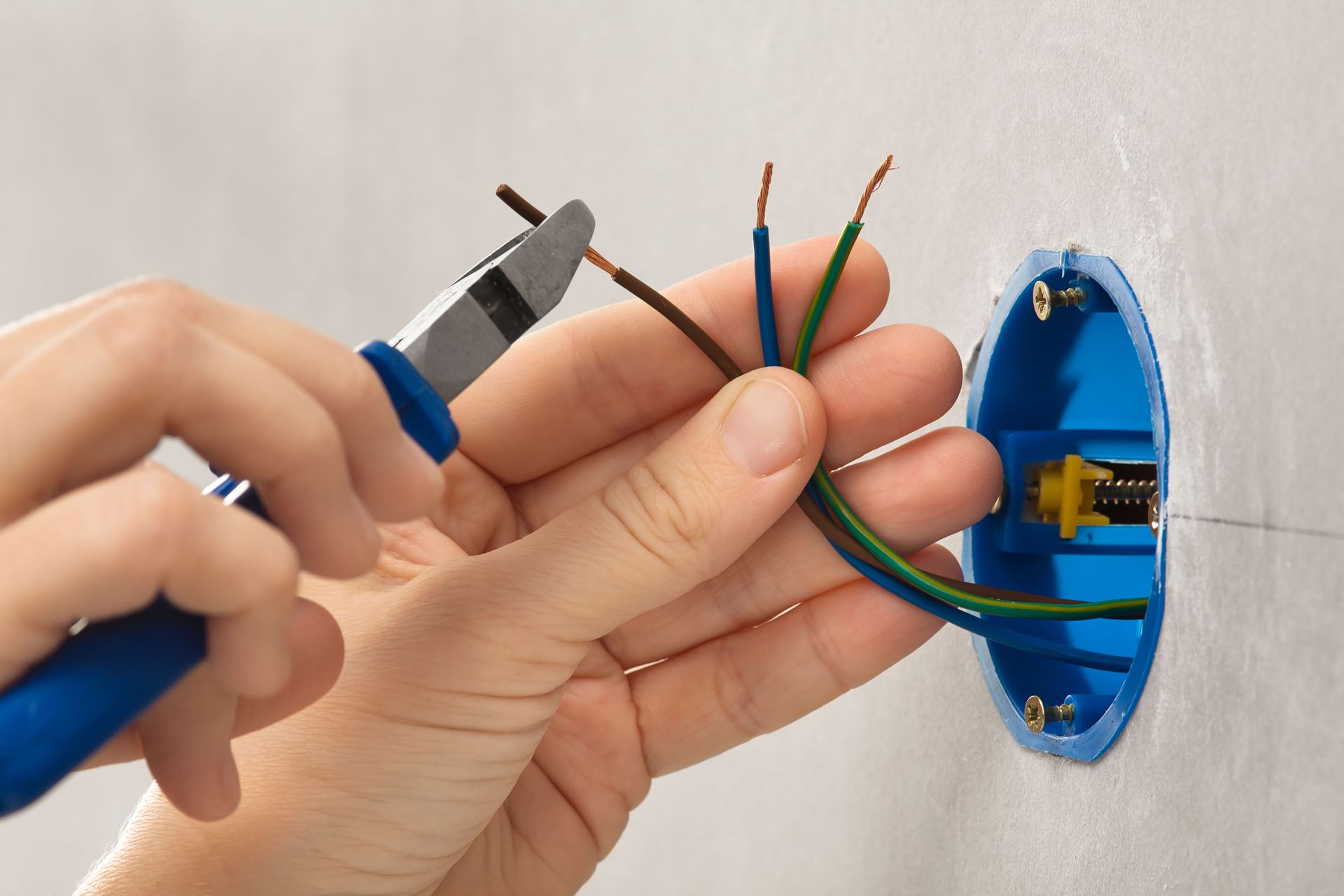
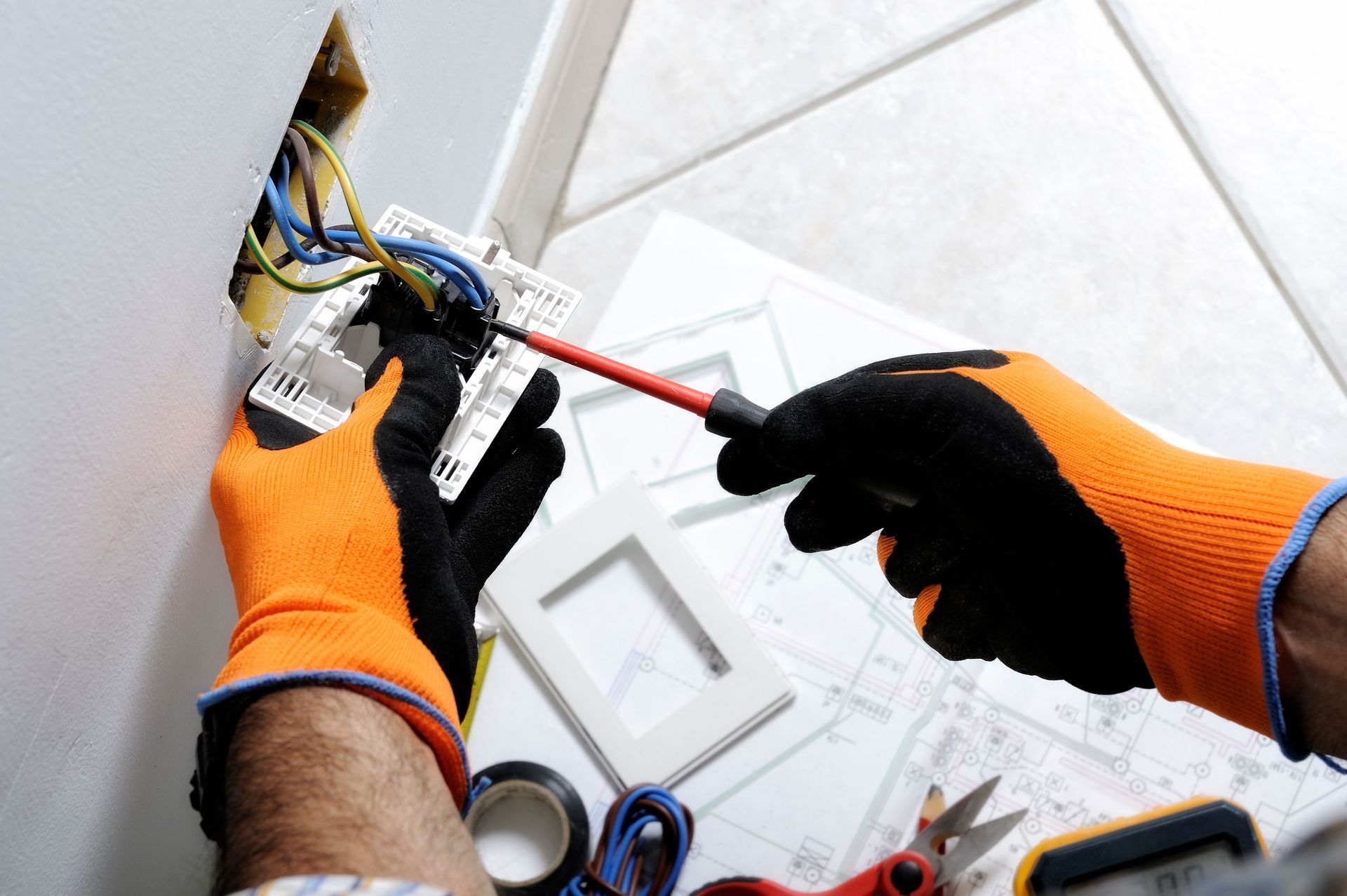
Behind every light switch and junction box lies a network of electrical conductors secured by wire nuts, terminal screws, or push-in ("stab-in") connectors. Over years of thermal cycling—where wires expand when carrying current and contract when cooling—these mechanical connections can gradually loosen. Loose wiring creates high-resistance contacts that disrupt power stability to connected fixtures and switches. More importantly, loose connections allow electrical current to jump across tiny gaps, a dangerous phenomenon known as arc faults. Arc faults generate intense localized heat capable of melting plastic switch housings and igniting surrounding drywall paper or wood framing. Promptly addressing loose wiring behind wall plates is critical to maintaining both functional lighting and overall home safety.
Overloading Dedicated Branch Circuits
When major home appliances share an electrical circuit with household lighting fixtures, heavy power demands can cause noticeable fixture instability. High-draw devices—such as central air conditioning units, refrigerator compressors, microwave ovens, or space heaters—draw substantial surge currents when their motors first start up. This sudden demand temporarily pulls voltage away from adjacent devices on the same branch circuit, causing overhead lights to dim or flicker momentarily. While a brief dip during heavy motor startup can be normal, frequent or severe dimming indicates an unbalanced panel or overloaded circuit. Experienced local electricians can rebalance breaker panel loads or run dedicated circuits for high-draw appliances to restore stable, flicker-free voltage to your light fixtures.
Enduring Degrading Switch Contacts
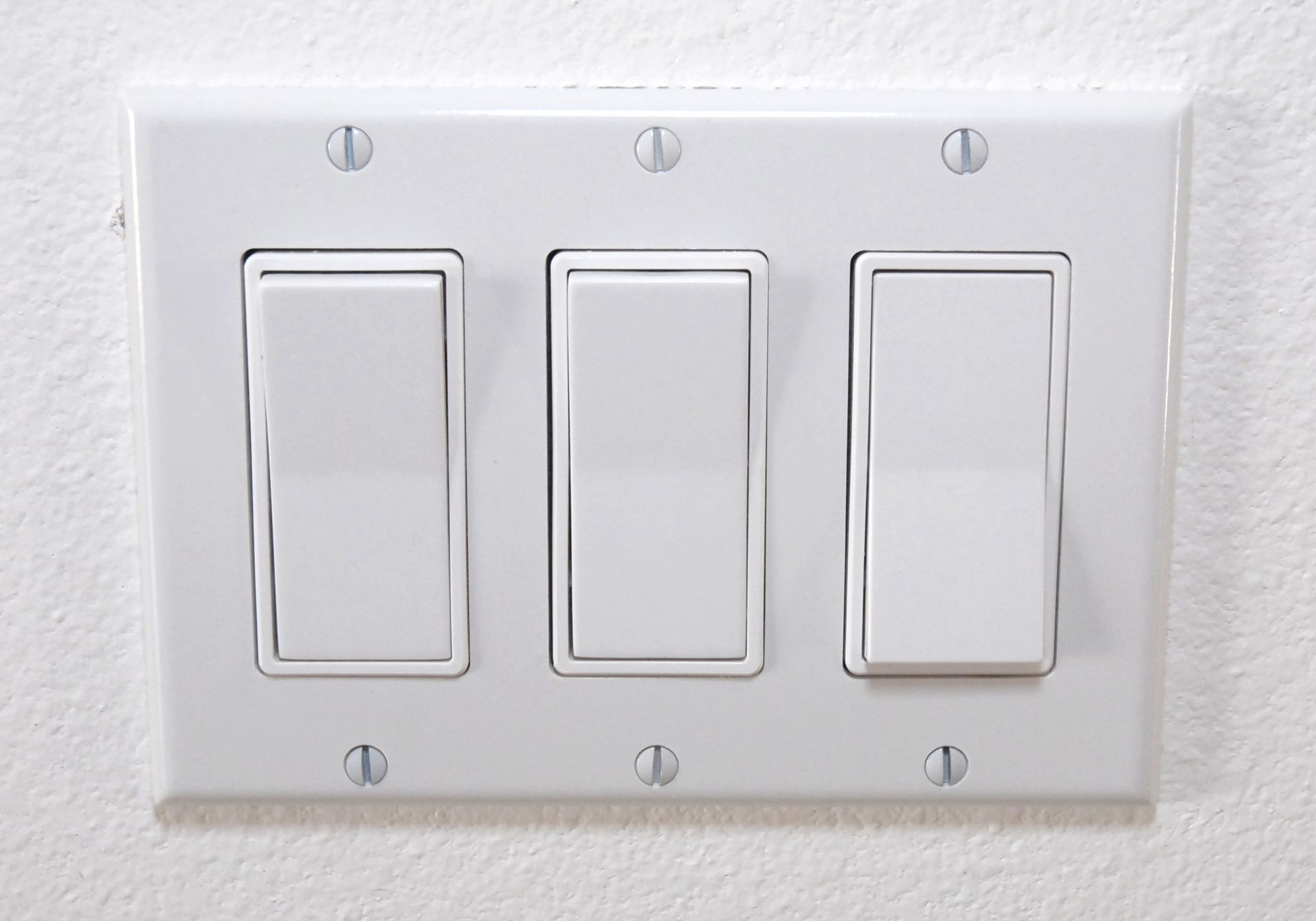
Light switches are mechanical devices subjected to thousands of manual cycles over their operational lifespan. Every time a switch toggle or rocker is flipped, internal copper contacts make or break an active electrical connection. Over time, the repeated opening and closing of these contacts causes minor electrical arcing, which gradually pits, oxidizes, and wears down the metal surfaces. As the internal contacts degrade, the switch loses its ability to maintain a solid electrical path, leading to intermittent power delivery, cracking or buzzing sounds inside the switch box, or wall plates that feel unusually warm to the touch. Replacing worn, soft-feeling switches with commercial-grade devices restores crisp mechanical action and reliable electrical conduction.
Living With Outdated Aluminum Wiring
We've found that homes constructed between the mid-1960s and mid-1970s were frequently wired using solid aluminum branch circuit conductors rather than traditional copper. While aluminum is an effective conductor, it expands and contracts significantly more than copper when subjected to electrical loads. This thermal movement causes terminal connections on standard switches and outlets to loosen over time. Furthermore, aluminum wire undergoes galvanic corrosion when directly attached to standard copper-rated device screws, increasing electrical resistance and fire risk. Licensed local electricians are required to evaluate aluminum wiring systems, utilizing specialized CO/ALR rated devices or applying COPALUM crimp connectors to safely stabilize connections between aluminum conductors and modern fixtures.
Facing Grid Fluctuations and Utility Problems
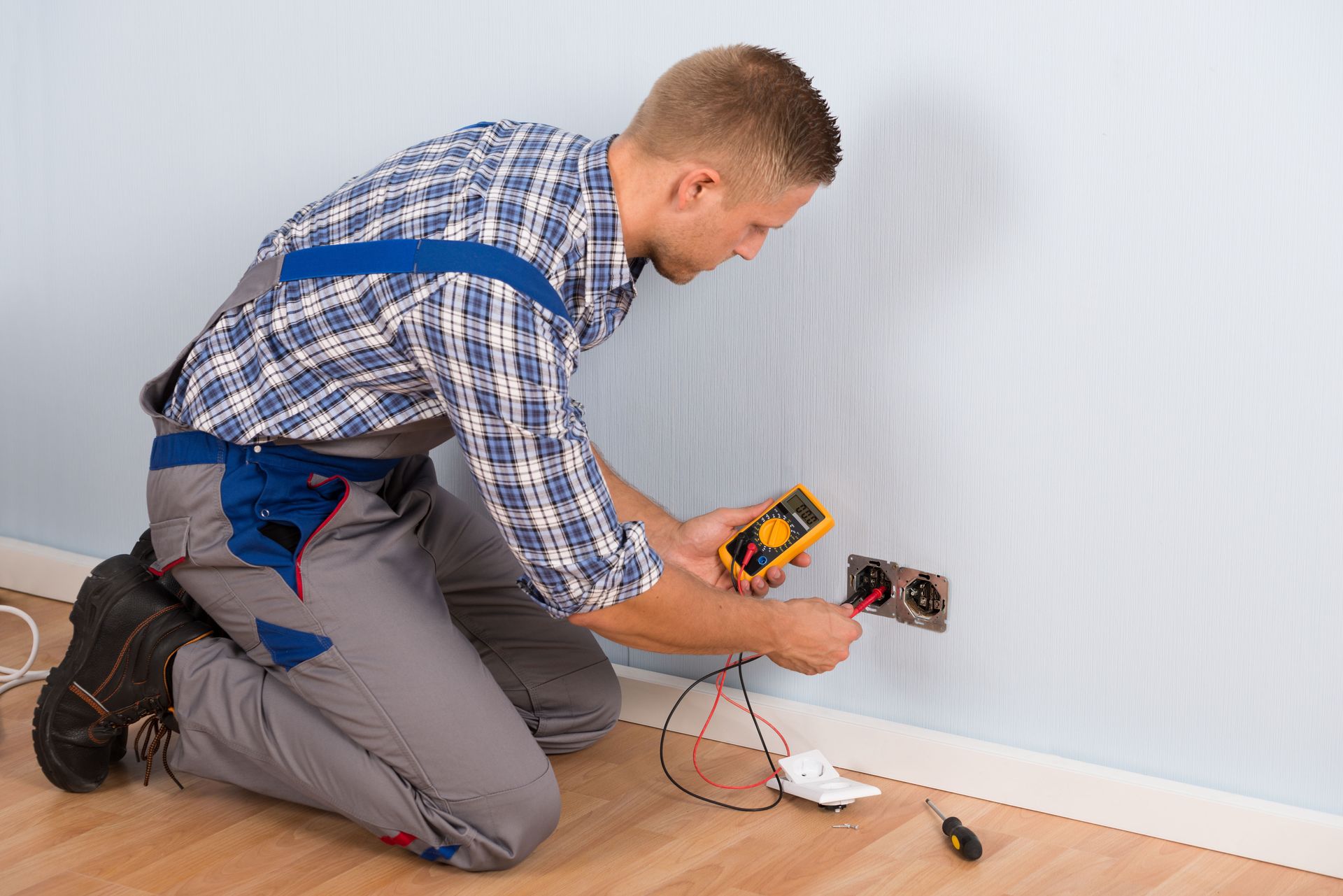
Not all fixture and switch instability originates within your home's interior electrical panel. External power grid disruptions caused by severe weather, high neighborhood demand during heatwaves, or damaged utility transformers can introduce voltage fluctuations directly through your service entrance lines. Loose or damaged neutral wires provided by the electric utility company can also cause lights throughout the entire house to dim unpredictably or brighten beyond safe limits. When fixture instability occurs simultaneously across multiple independent circuits, the root cause often lies outdoors. Qualified local electricians can perform precise service entrance voltage measurements to verify whether the instability stems from internal wiring or requires immediate intervention from your local power utility provider.
Mounting Heavy Fixtures Inadequately
Physical instability frequently leads to electrical instability when heavy lighting fixtures or ceiling fans are improperly installed. Heavy chandeliers and ceiling fans exert continuous static weight and dynamic vibration on ceiling outlet boxes. If an overhead fixture is mounted to a standard plastic outlet box rather than a properly braced, heavy-duty metal fan box anchored directly to structural ceiling joists, the continuous movement can cause internal wire splices to pull apart or loosen over time. This mechanical movement damages wire insulation and disrupts continuous contact. Reputable local electricians ensure all heavy ceiling fixtures are securely mounted to code-compliant structural support boxes, preventing physical sagging while maintaining stable electrical connections inside the ceiling junction.
Understanding the underlying causes of fixture and switch instability—from simple bulb corrosion and dimmer incompatibility to loose wiring, circuit overloads, and aging mechanical contacts—is essential for maintaining a safe and efficient home. Ignoring persistent flickering, buzzing, or warm switches allows minor connection flaws to develop into serious electrical hazards over time. Taking a proactive approach to home electrical maintenance protects your valuable appliances, improves energy efficiency, and ensures long-term peace of mind.
Don't let unstable switches or flickering fixtures compromise the safety and comfort of your home; let our trusted local electricians inspect your system today. At Hi-Tech Electric, our experienced team delivers fast, reliable diagnostics and code-compliant electrical repairs tailored to your budget. Contact us now to schedule your comprehensive electrical safety inspection and restore total reliability to your home's lighting. If you suspect any hidden hazards behind your walls, reaching out to qualified
local electricians is the ultimate key to lasting peace of mind.